Welding Robot About
A welding robot is a type of industrial robot that is specifically designed for the purpose of welding. It is an automated machine that is programmed to perform a variety of welding operations, using various welding techniques such as arc welding, MIG (metal inert gas) welding, TIG (tungsten inert gas) welding, and more.
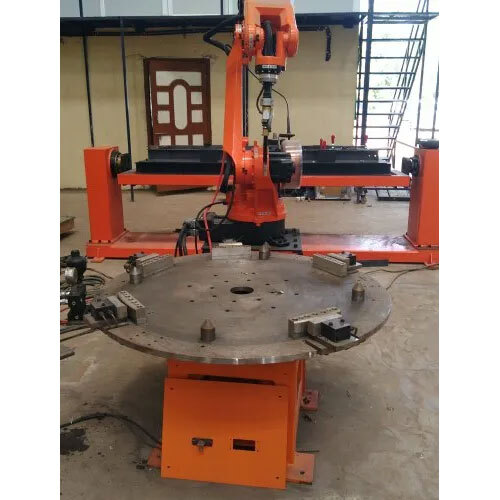
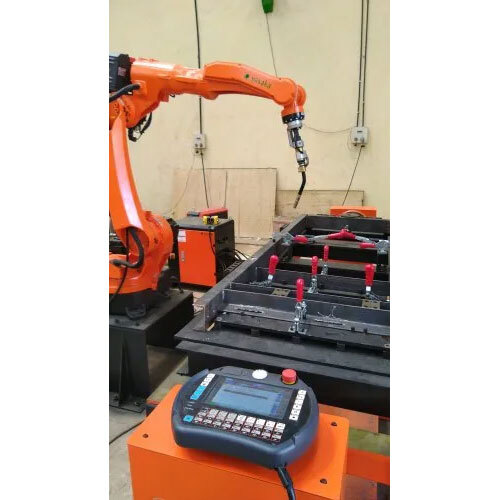
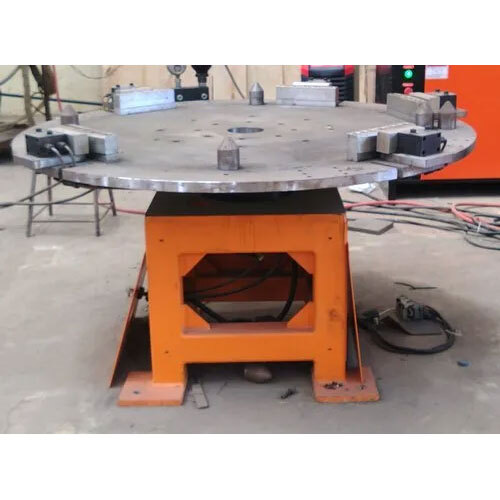
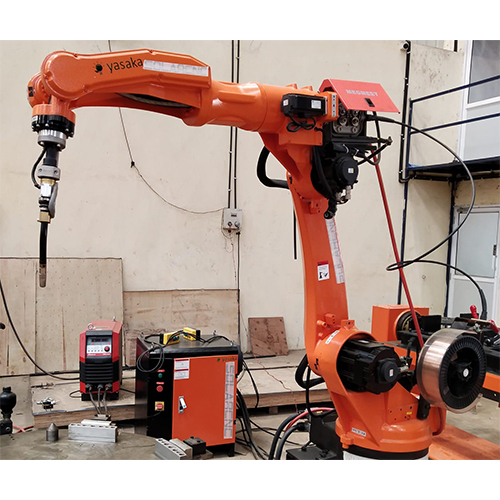
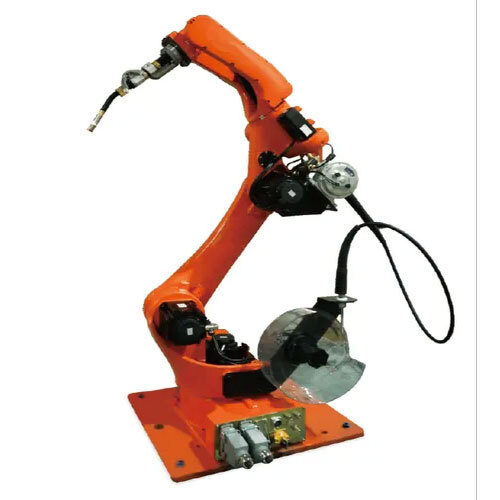
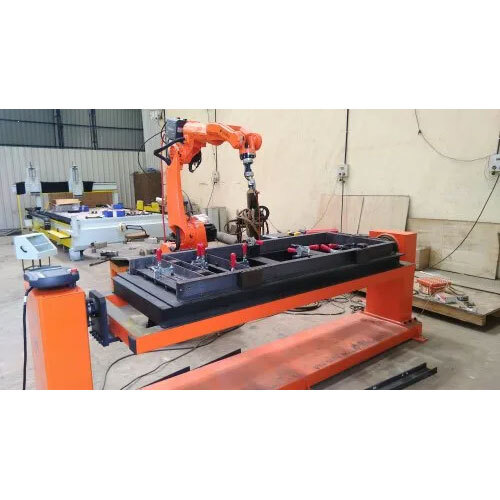
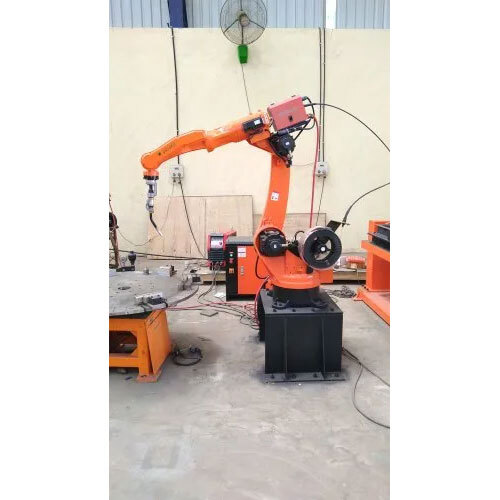
Welding robots are typically equipped with an articulated arm, which can be programmed to move in a variety of directions and angles. They are also equipped with a welding tool, which can be manipulated by the robot's arm to perform the welding operation. The robot is typically mounted on a platform or base, which can be positioned in various locations to perform welding operations on different parts or products.
One of the main advantages of using welding robots is their ability to perform repetitive welding operations with a high level of accuracy and precision, which can result in faster production times and higher quality welds. They can also be programmed to perform welding operations in hazardous or hard-to-reach areas, which can improve safety and reduce the risk of injury to human operators.
Overall, welding robots are a valuable tool in modern manufacturing and can be found in a variety of industries, including automotive, aerospace, and construction.
Welding Robot Specifications:
- Total Axis: 6 Axis ( can be extend )
- Arm Length: 1.4 Mtr
- Total weight: 170 Kg
- Max Payload: 10 Kg
Welding robots have several features that make them useful in industrial settings. Here are some common features:
1. Programmability: Welding robots can be programmed to perform specific welding operations, which can be repeated with a high level of accuracy and consistency.
2. Precision: Welding robots can perform welding operations with high precision, resulting in high-quality welds that meet strict industry standards.
3. Flexibility: Welding robots can be programmed to perform welding operations on different parts or products, making them versatile in manufacturing environments.
4. Speed: Welding robots can perform welding operations quickly and efficiently, which can result in faster production times and increased productivity.
5. Safety: Welding robots can be used to perform welding operations in hazardous or hard-to-reach areas, reducing the risk of injury to human operators.
6. Quality control: Welding robots can be equipped with sensors and cameras to monitor welding quality and make adjustments in real-time to ensure high-quality welds.
7. Durability: Welding robots are designed to withstand harsh industrial environments and can operate continuously for long periods of time with minimal maintenance.
Overall, welding robots are a valuable tool in modern manufacturing and can provide a range of benefits to businesses, including increased productivity, improved quality control, and enhanced worker safety.
Sturdy Mild Steel BuildThe welding robot features a rugged mild steel frame that guarantees longevity and stable performance in demanding industrial environments. Its construction makes it suitable for heavy-duty tasks and ensures minimal maintenance requirements during long-term use.
Ideal Voltage for Indian IndustryOperating efficiently at 220 Volts, this welding robot aligns perfectly with standard Indian electrical systems. Its compatibility allows seamless integration into existing production lines without the need for complex electrical modifications.
Reliable Warranty and SupportEnjoy peace of mind with a comprehensive 1-year warranty that covers critical components and workmanship. As manufacturers, exporters, suppliers, and wholesalers in India, we provide dedicated after-sales support to ensure consistent and reliable operation throughout the warranty period.
FAQ's of Welding Robot:
Q: How is this welding robot operated if it is not computerized?
A: This welding robot operates through manual controls and electromechanical switches rather than advanced computer interfaces. Operators guide its movements and set welding parameters using accessible panels, making it straightforward for skilled workers without the need for programming knowledge.
Q: What materials can this orange welding robot handle?
A: The welding robot is primarily constructed from and designed to work efficiently with mild steel. However, it may also handle similar metals, depending on welding requirements and electrodes suitable for mild steel applications.
Q: When can I expect delivery after placing an order as a wholesaler in India?
A: Delivery timelines vary based on quantity and location, but as a manufacturer and exporter within India, we typically dispatch orders within two to four weeks after confirmation. Bulk orders may require additional processing time, which our team will communicate clearly.
Q: Where is this welding robot most commonly used?
A: This welding robot is widely used in fabrication shops, automobile workshops, and manufacturing plants across India, especially in environments demanding consistent welding quality and higher production throughput without sophisticated digital control systems.
Q: What is the process for installing this welding robot?
A: Installation involves setting up the robot on a stable surface, connecting it to a standard 220 Volt power supply, and performing basic calibration. Our technical team provides on-site or remote assistance to ensure proper setup and safe operation.
Q: How should I maintain the robot for optimal performance during the warranty period?
A: Regular inspections of moving parts, cleaning welding components, and checking for electrical connections are recommended. Following the maintenance guidelines included in the manual helps ensure smooth operation and upholds the 1-year warranty terms.
Q: What are the primary benefits of using this mild steel welding robot?
A: Key benefits include consistent weld quality, improved production efficiency, reduced labor fatigue, and cost-effectiveness due to its simple operation and minimal maintenance needs. Its non-computerized design makes it accessible to a wide range of industrial users in India.

 Send Email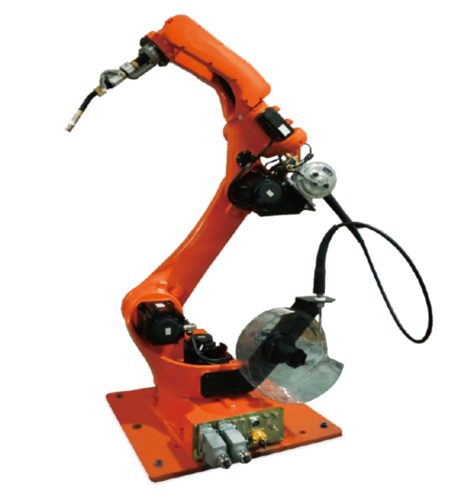

 Send Inquiry



 Send Inquiry
 Send Inquiry
 Send SMS
 Call Me Free

 English
 Spanish
 French
 German
 Italian
 Chinese (Simplified)
 Japanese
 Korean
 Arabic
 Portuguese