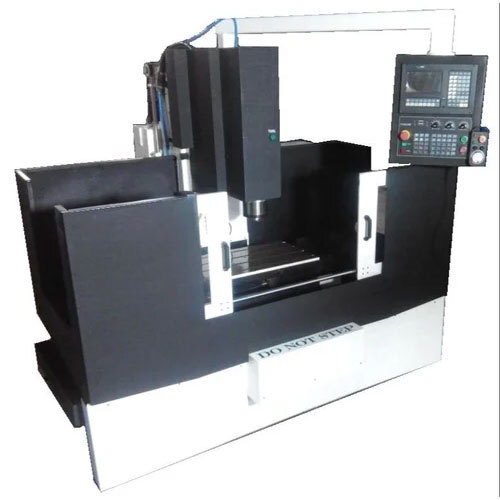
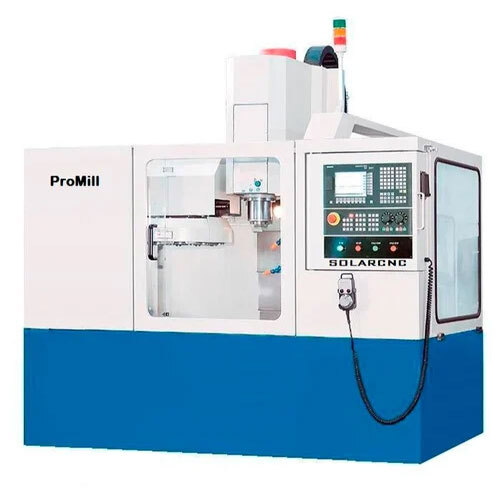
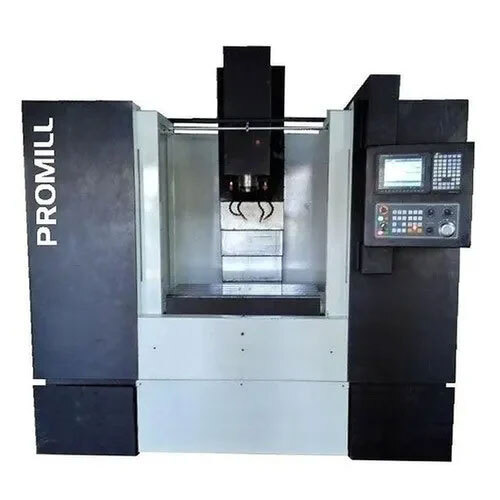
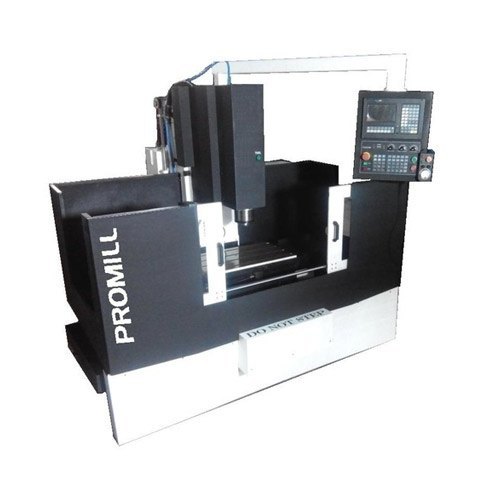
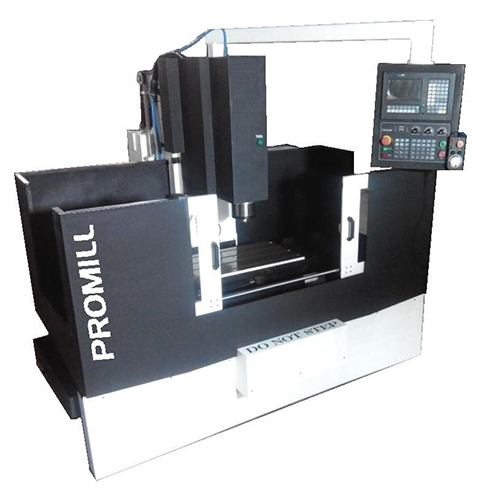
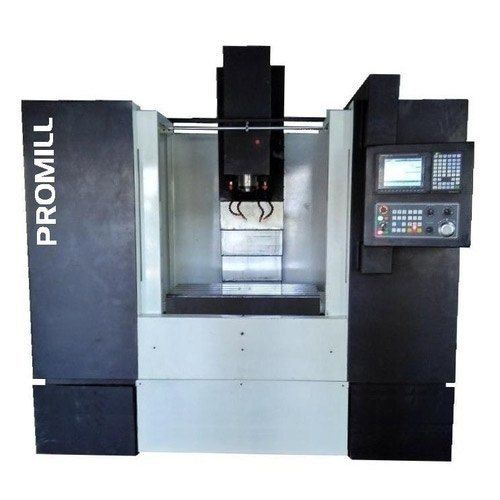
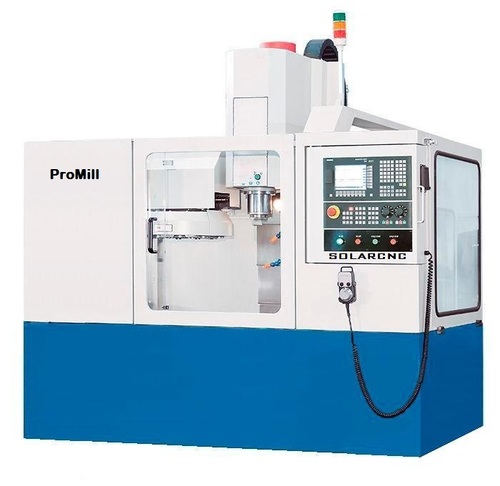
ProMill 850 CNC Milling Machine About
CNC milling machine is a computer-controlled machine tool used for precision machining operations. It utilizes computer numerical control (CNC) to automatically perform milling processes, where rotary cutting tools remove material from a workpiece to create complex shapes and features. CNC milling machines are widely used in manufacturing and prototyping industries to produce high-precision parts for various applications, offering efficiency, accuracy, and repeatability in the machining process.
Frequently Asked Questions (FAQ):
Q: What does CNC stand for in CNC milling machine?
A: CNC stands for Computer Numerical Control. In a CNC milling machine, a computer system controls the movements of the cutting tools and the workpiece, following precise instructions from a program to create the desired part.
Q: How does a CNC milling machine work?
A: A CNC milling machine operates based on the programmed instructions from a computer. The operator creates a digital design of the part using computer-aided design (CAD) software and converts it into machine instructions (G-codes and M-codes). The CNC milling machine then follows these instructions to move the cutting tools and remove material from the workpiece, creating the desired shape.
Q: What types of materials can a CNC milling machine work with?
A: CNC milling machines can work with a wide range of materials, including metals (such as steel, aluminum, brass, and titanium), plastics, composites, and various types of wood.
Q: What are the advantages of using a CNC milling machine?
A: CNC milling machines offer several advantages, including high precision, accuracy, repeatability, and versatility. They can produce complex parts with tight tolerances and are efficient for both prototyping and large-scale production.
Advanced Industrial PerformanceThe ProMill 850 CNC Milling Machine is tailored for demanding manufacturing environments, combining high-speed operation, robust construction, and high precision. Its vertical type and heavy-duty AC motor allow for superior machining across varied metalwork applications. Firms benefit from automatic computerized control, ensuring reliable, repeatable results for complex projects.
Efficient, Low-Energy OperationEngineered for efficiency, ProMill 850 consumes only 10 kW of power while operating at up to 8000 RPM. This low energy requirement translates to cost savings and reduced environmental impact. The machine's fully automated features enable continuous workflow and minimized human intervention, enhancing productivity on the shop floor.
FAQ's of ProMill 850 CNC Milling Machine:
Q: How is the ProMill 850 CNC Milling Machine operated?
A: The ProMill 850 is fully automatic and computerized, allowing operators to input programs digitally for precision milling. Human intervention is minimal, with most settings managed through the electronic interface.
Q: What materials can be processed with the ProMill 850?
A: This CNC milling machine is designed specifically for metal machining, offering high rigidity and precision for a wide range of industrial metalworking applications.
Q: When should the machine be serviced?
A: Regular maintenance is recommended as per the manufacturer's guidelines, typically after every major production cycle or every six months, to ensure optimal performance and prolong its one-year warranty coverage.
Q: Where can the ProMill 850 be installed?
A: Owing to its substantial weight and size, the ProMill 850 should be installed in industrial workshops or manufacturing plants that can accommodate its 800*500*500 mm dimensions and 3000 kg mass.
Q: What is the procedure for connecting the machine to power?
A: The machine should be connected to a stable 440 Volt (V) electric supply, using proper industrial-grade wiring and circuit protection as outlined in the installation manual.
Q: What are the benefits of using the ProMill 850 for industrial applications?
A: This machine offers high speed, accuracy, and rigidity, coupled with low energy consumption. These factors result in increased productivity, reduced costs, and reliable output for exporters, manufacturers, suppliers, and wholesalers.

 Send Email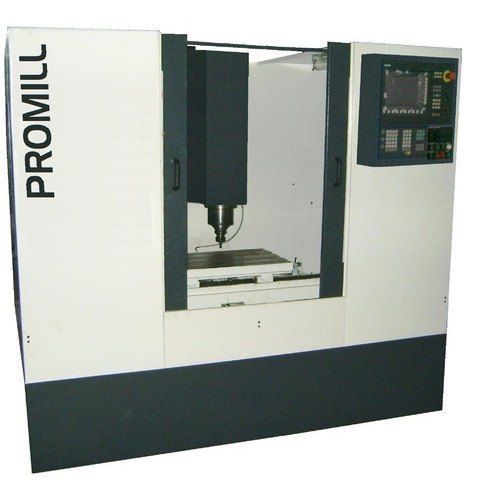

 Send Inquiry



 Send Inquiry
 Send Inquiry
 Send SMS

 English
 Spanish
 French
 German
 Italian
 Chinese (Simplified)
 Japanese
 Korean
 Arabic
 Portuguese