Product Description
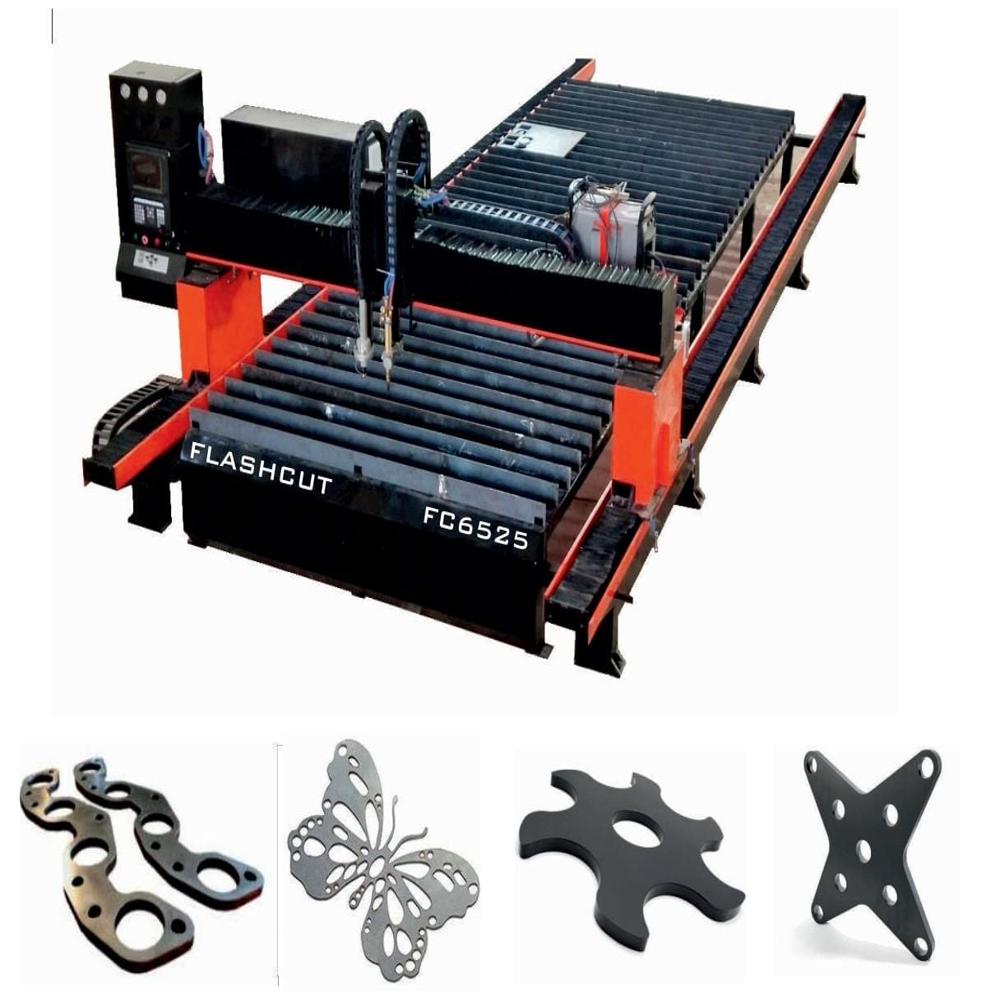
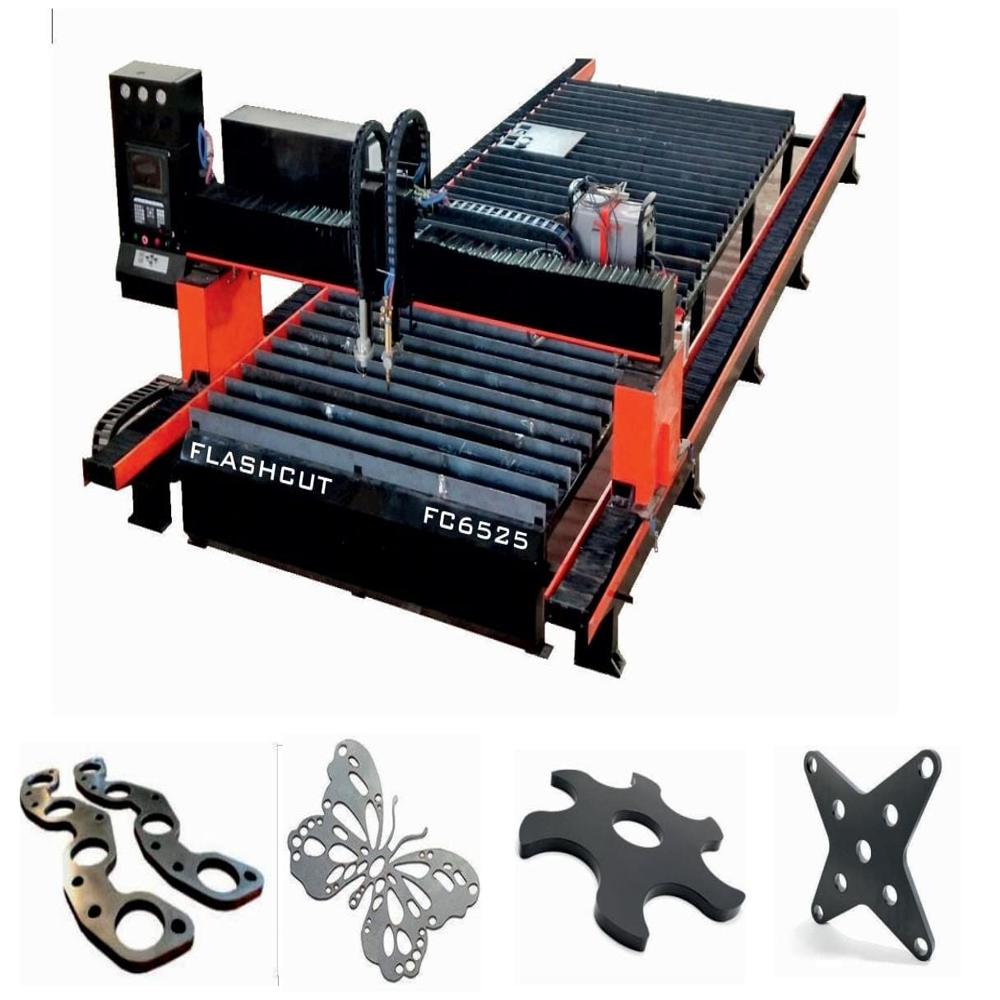
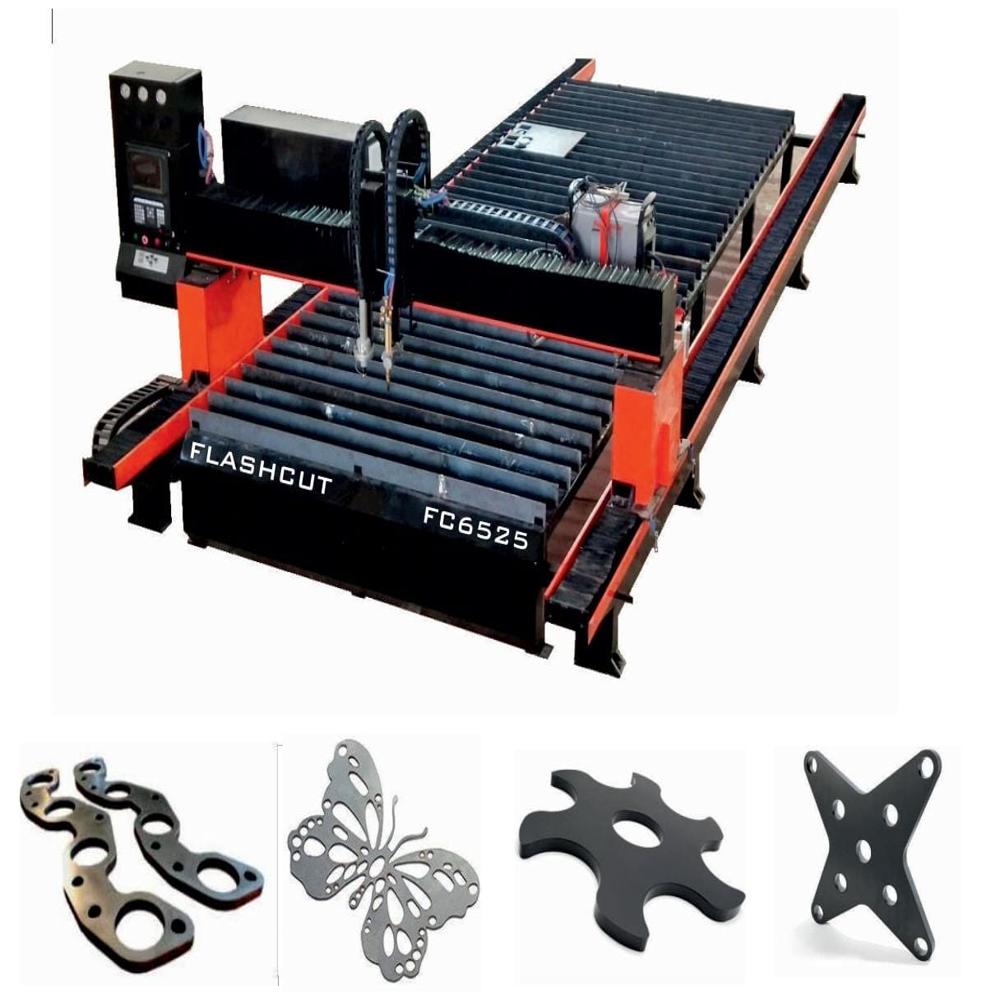
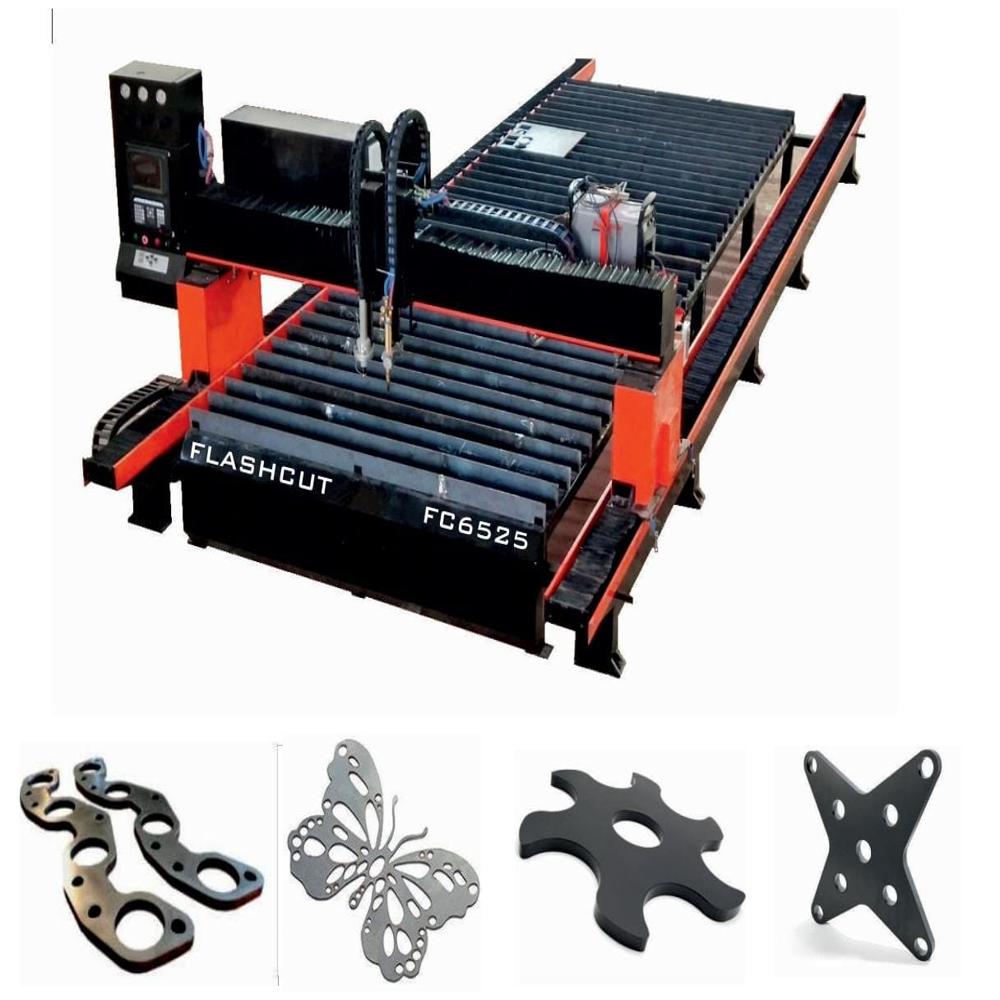
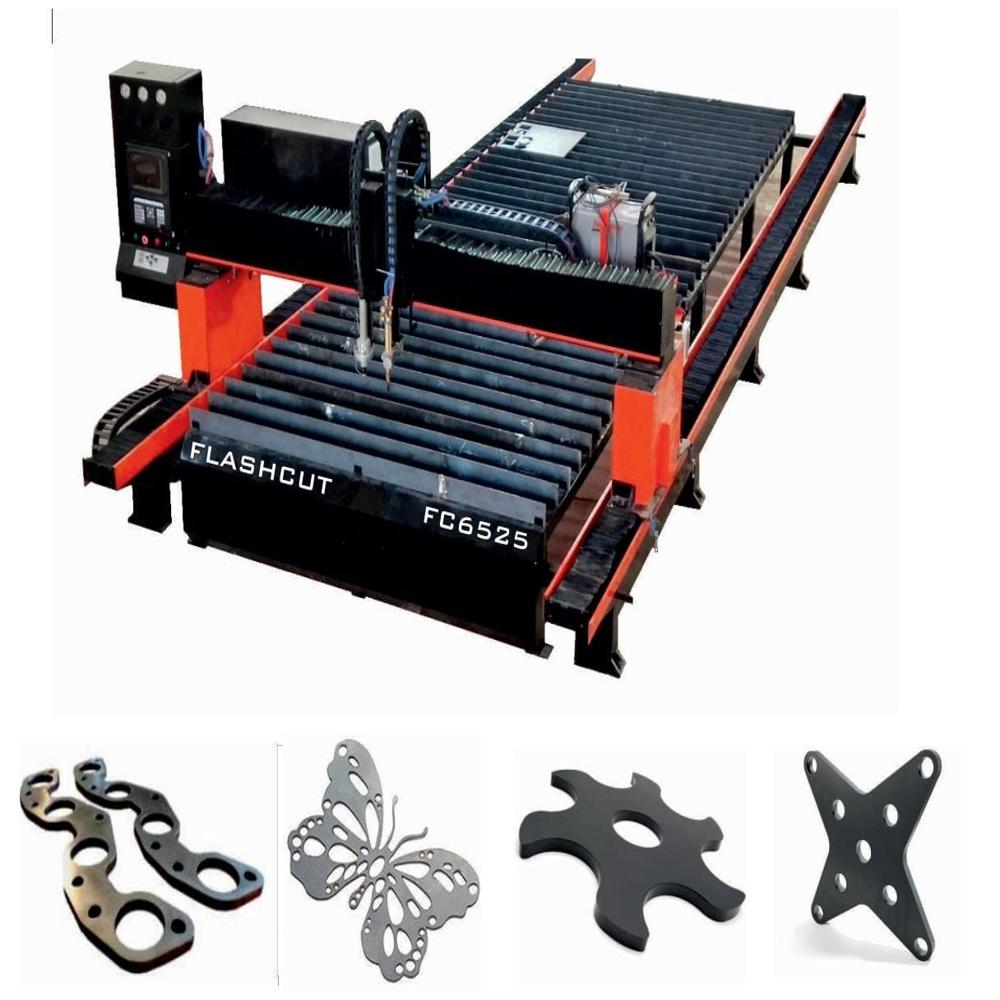
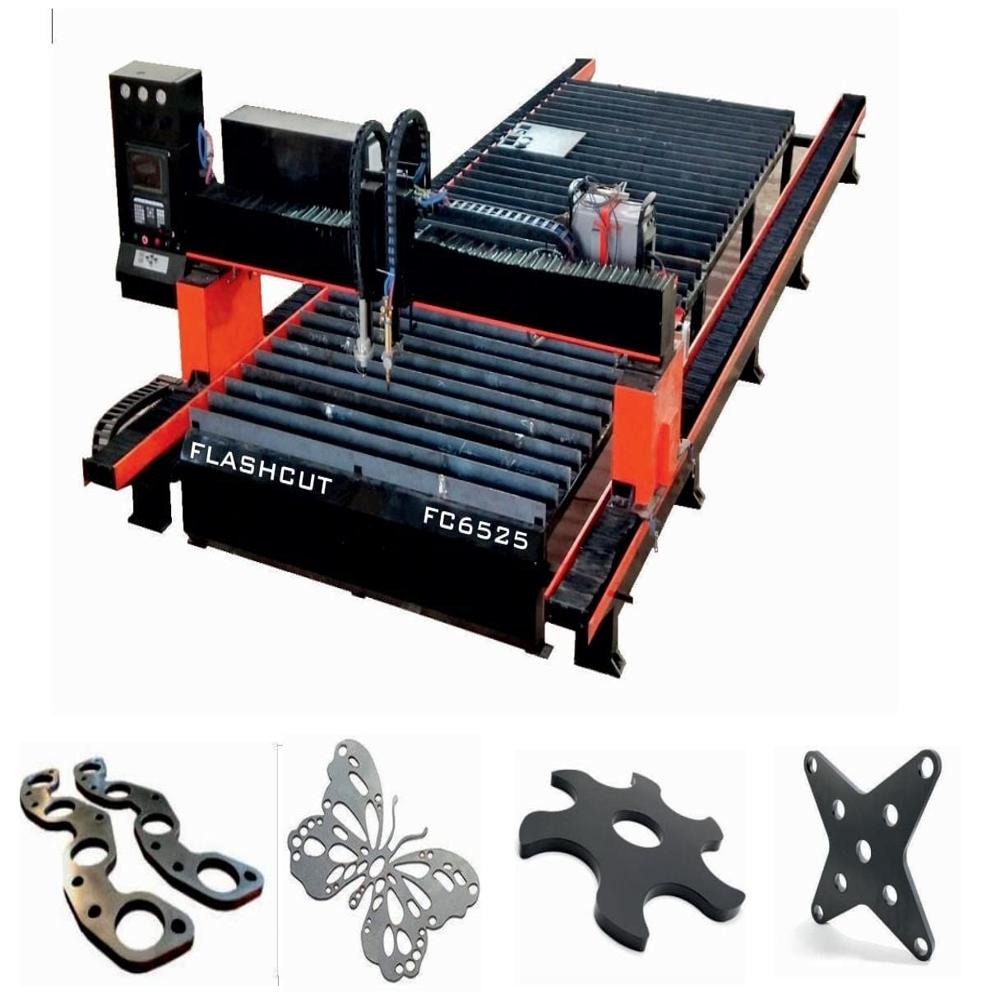
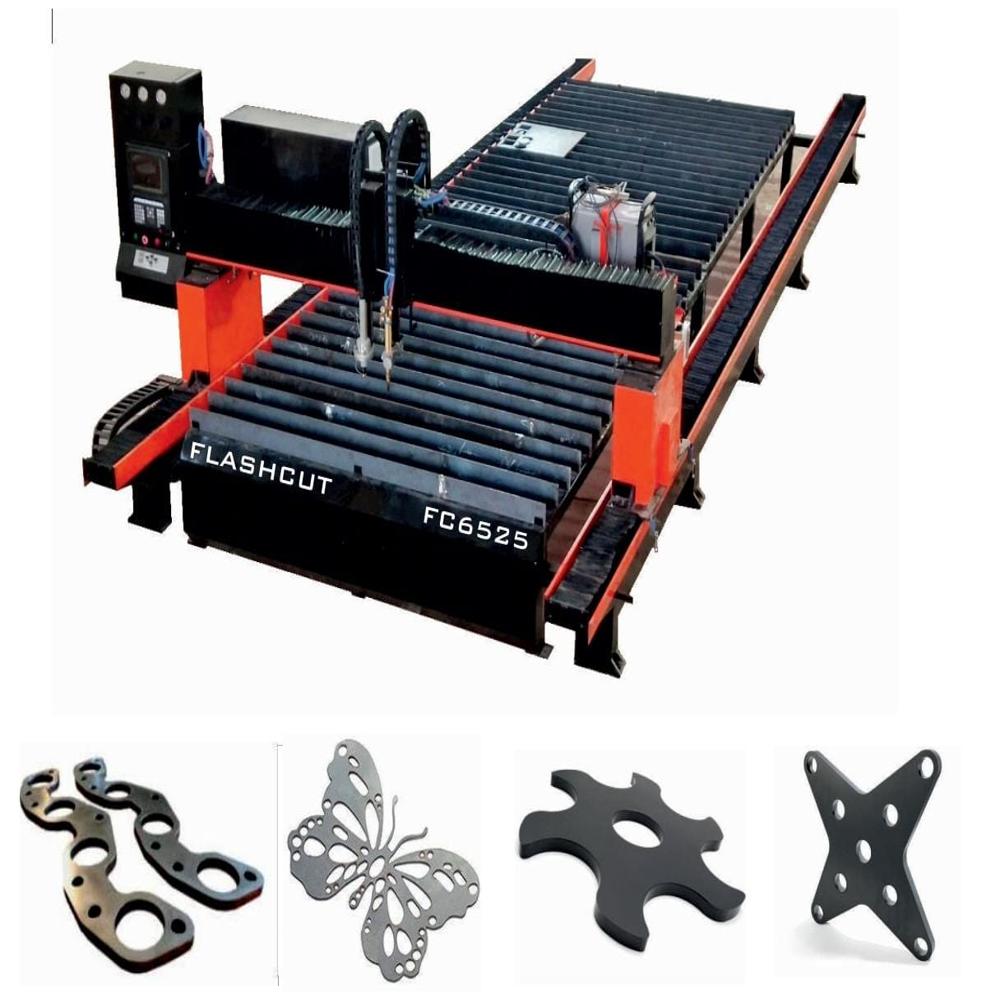
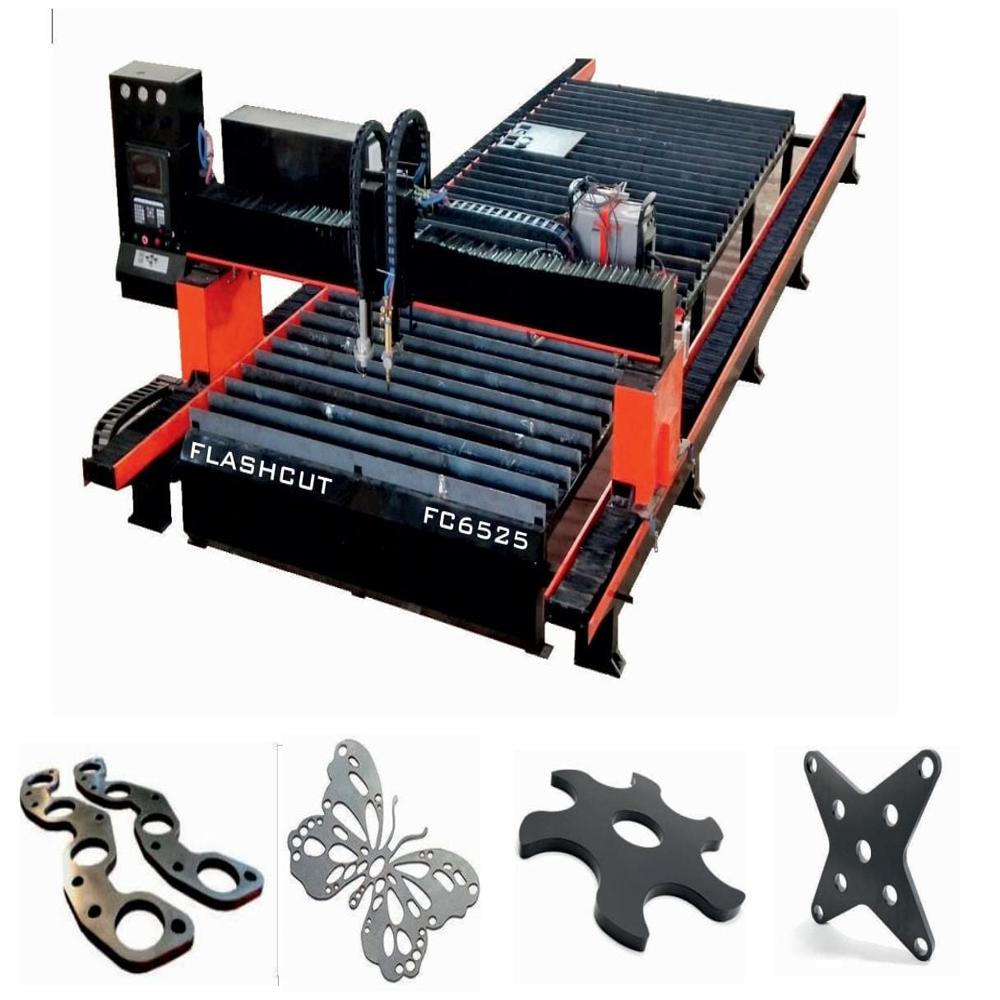
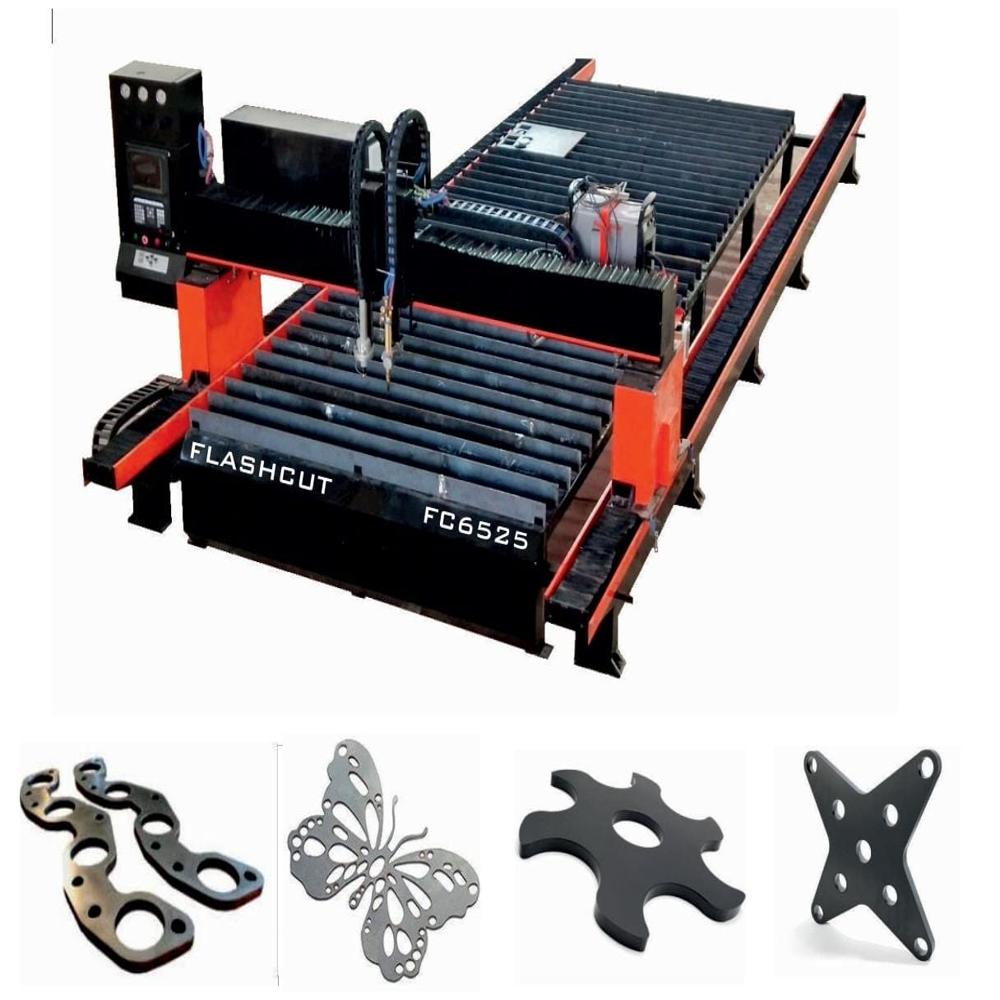
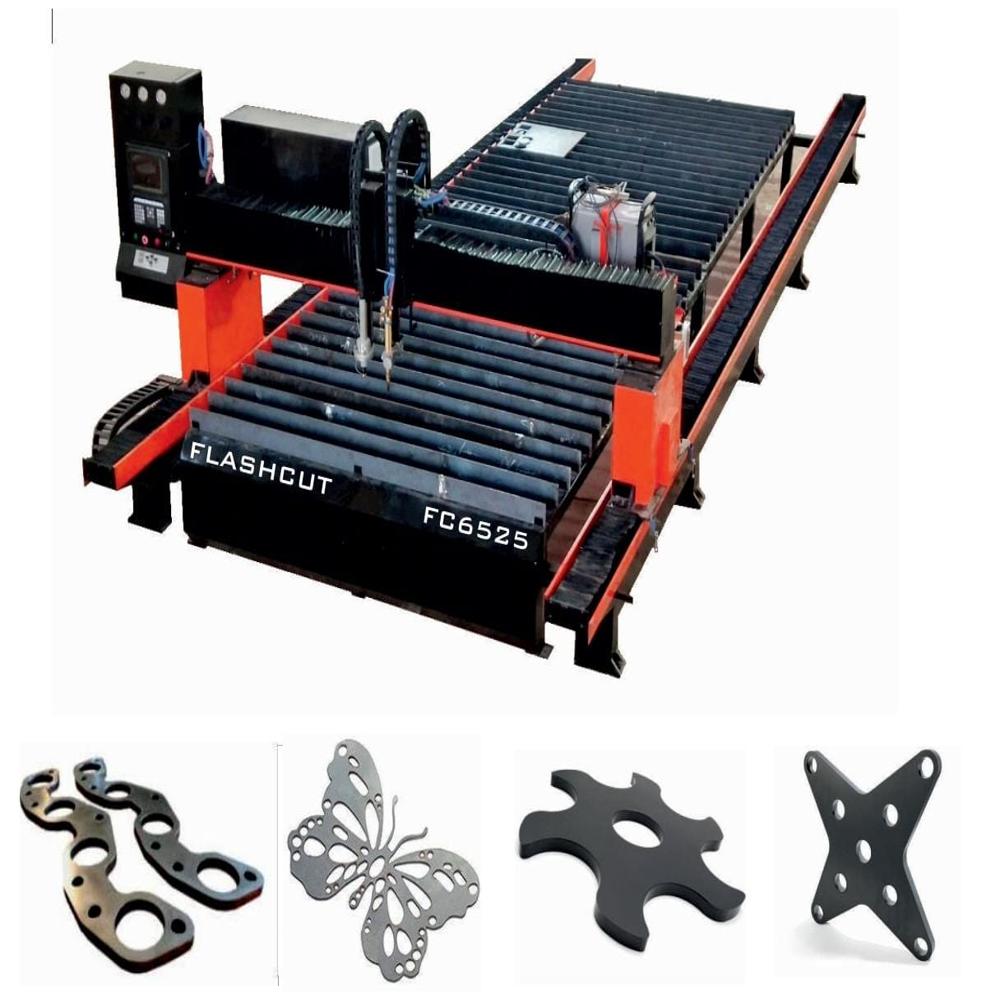
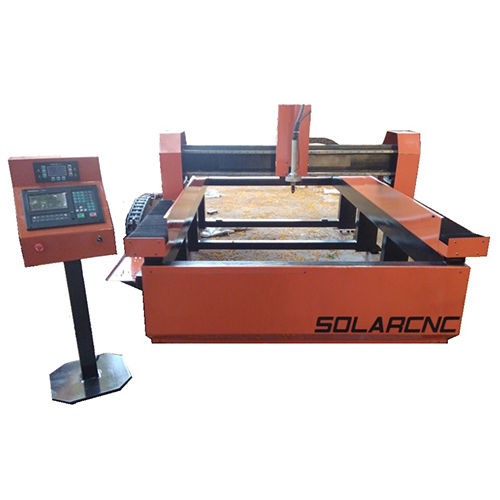
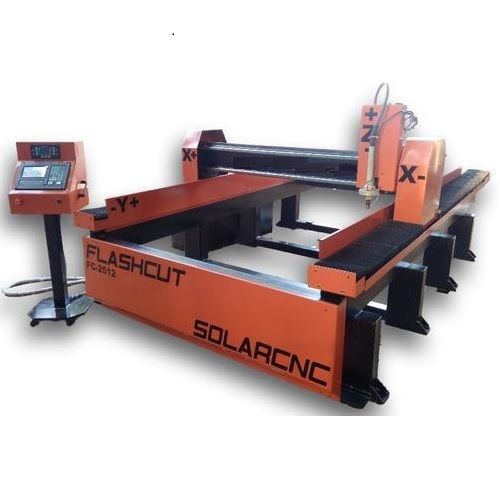
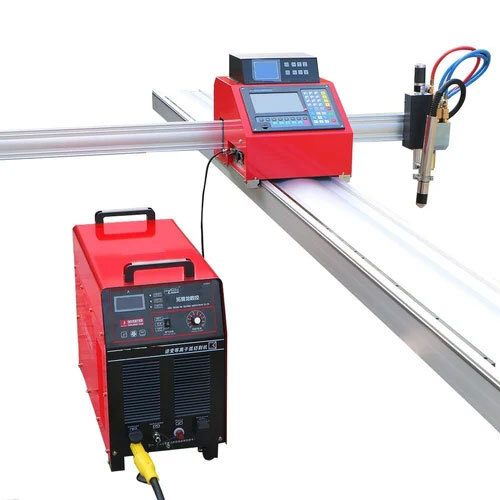
To understand or specify a CNC plasma cutting machine, you must evaluate its components and parameters across three main engineering pillars: the mechanical build, the electrical plasma power source, and the CNC automation system. The primary technical specifications and configuration options for industrial-grade systems are detailed below.1. Machine Construction & Mechanical Specifications The physical framework determines the machine's durability, accuracy over time, and the material sizes it can process. Machine Configurations: Available as a Tabletop / Unitized System (integrated frame for thin to medium plates) or a Gantry System (separate rails mounted to the floor, ideal for massive, heavy plates).Effective Cutting Area (Bed Size): Standard industrial bed sizes include 1500 x 3000 mm (approx. 5x10 ft), 2000 x 4000 mm, and 2500 x 6000 mm. Custom extended lengths are available for large-scale fabricator. Drive Mechanisms: Utilizes high-precision Helical Rack and Pinion gears on the X and Y axes for high-speed travel. Linear guide rails are hardened and grounded to ensure smooth, repeatable torch positioning. Fume Extraction System: Crucial for safety and environmental compliance. Systems feature either a Water Table (quenches sparks and traps dust in water beneath the plate) or a Segmented Downdraft Table (pneumatic dampers open sections directly under the torch to vent smoke out via an exhaust fan).2. Plasma Power Source & Cutting Capacity The power source (often branded by industry leaders like Hypertherm, Kjellberg, or Thermal Dynamics) defines the material thickness limitations. Amperage Range: Typically spans from 45A to 125A for light-to-medium fabrication, and 130A to 400A+ for high-definition heavy industrial cutting. Cutting Performance Metrics: Pierce Capacity: The maximum thickness the torch can pierce through from the top face (e.g., up to 25mm for a 130A system).Production/Quality Cut: The thickness at which the machine achieves clean, dross-free edges at optimal speeds. Severance Cut: The absolute maximum thickness the torch can cut starting from a pre-drilled hole or plate edge, resulting in a rough finish. Gas Requirements: Requires clean, dry, oil-free compressed air for standard air-plasma cutting. Dual-gas or High-Definition systems utilize specialized process gases like Oxygen (O), Nitrogen (N), or Argon-Hydrogen (H35) to achieve laser-like edge quality on stainless steel and aluminum.3. CNC Controller & Automation Electronics The electronics manage the precision motion and maintain the perfect distance between the torch tip and the raw metal. Drive Motors: Uses AC Servo Motors & Drives (e.g., Panasonic, Yaskawa, or Delta) with planetary gearboxes to enable rapid travel speeds up to 20,000 mm/min. Torch Height Control (THC): A critical automated subsystem. The THC measures the arc voltage in real-time. If the metal plate warps or bows upward during cutting, the THC immediately adjusts the Z-axis lifter up or down to maintain a constant torch-to-workpiece distance, preventing torch crashes and preserving nozzle life. Initial Height Sensing (IHS): Before every single cut, the torch moves down to locate the exact top surface of the plate using ohmic contact or mechanical stalling, establishing the perfect pierce height. Software Compatibility: Controlled using standard G-codes and M-codes generated by CAD/CAM nesting software (such as ProNest, FastCAM, or SheetCAM) to optimize material utilization.Typical Technical Datasheet (Example: Mid-Range Industrial System)ParameterTechnical SpecificationInput Power Supply3-Phase, 415V AC 10%, 50/60 HzPositioning Accuracy0.1 mmRepeatability0.05 mmPlasma Power Source105A to 130A Air/Gas PlasmaMild Steel Production Cut16 mm to 20 mmMild Steel Severance CutUp to 38 mmZ-Axis Travel (Stroke)150 mm to 200 mmCNC InterfaceIndustrial PC-Based Controller / Standalone HandheldTo help narrow down these specifications into an exact model blueprint, tell me:What is the maximum thickness of Mild Steel or Stainless Steel you need to pierce and cut regularly?Do you require Bevel Cutting (3D/5-axis) for weld preparation, or standard 2D straight cutting?Will you be cutting round pipes/tubes, or strictly flat sheet metal plates?

 Send Email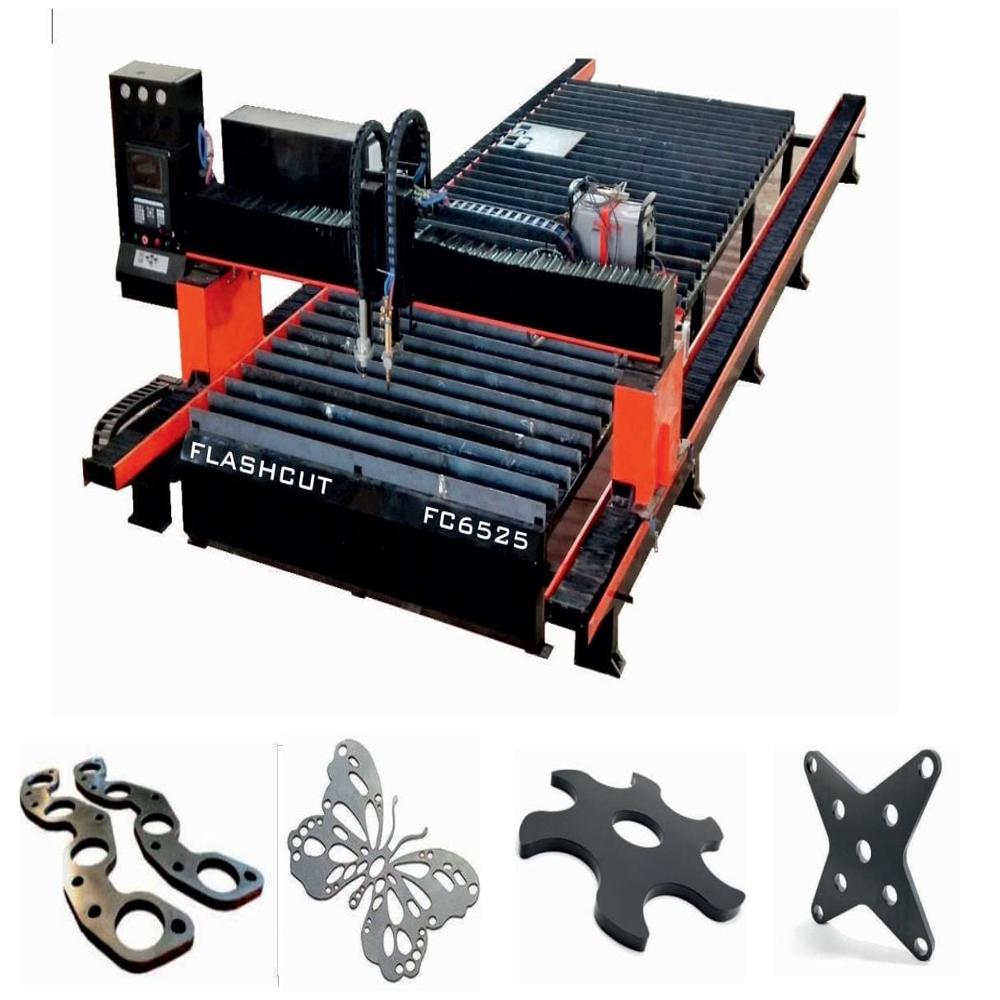




 Send Inquiry
 Send Inquiry
 Send SMS
 Call Me Free

 English
 Spanish
 French
 German
 Italian
 Chinese (Simplified)
 Japanese
 Korean
 Arabic
 Portuguese